
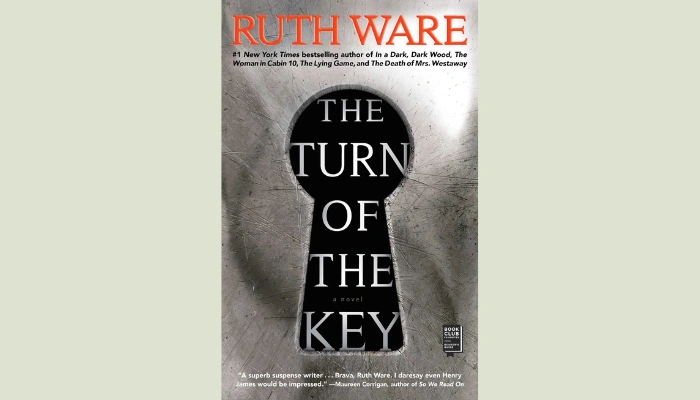
Every so often, a thriller comes along that makes you question everything — the characters, the setting, even the technology around you. Ruth Ware’s The Turn of the Key is one such story. I’ve been a fan of Ware’s writing since The Woman in Cabin 10, but this novel completely redefined what I expect from a modern psychological thriller.
In this post, I’ll walk you through what The Turn of the Key is about, explore its plot, characters, themes, and share a detailed review based on both my reading experience and insights from real-world discussions about smart-home technology and trust.
Content
Plot Summary: What Is The Turn of the Key About?
The Turn of the Key begins with a letter — a haunting confession written by a young nanny named Rowan Caine, who insists she is innocent of a terrible crime. The story unfolds through her desperate attempt to explain what really happened at Heatherbrae House, a high-tech “smart home” tucked away in the Scottish Highlands.
When Rowan accepts a nanny position for a wealthy family, the job seems perfect: great pay, a stunning location, and adorable children. But as soon as she moves in, strange things start to happen — flickering lights, voices through the intercom, and cameras in every room.
As the novel progresses, readers realize that this is more than a typical haunted house story. The sense of unease grows with every page. The blend of gothic atmosphere and modern surveillance gives The Turn of the Key its edge.
Before long, tragedy strikes. One of the children dies under mysterious circumstances, and Rowan becomes the prime suspect. Her letter to her lawyer is her only chance to tell the truth.
Main Characters and Their Role in the Story
What makes The Turn of the Key truly gripping are its characters.
- Rowan Caine: The narrator, whose honesty we constantly question. She’s intelligent, but her past hides secrets.
- Sandra and Bill Elincourt: The wealthy couple who own Heatherbrae House — ambitious yet emotionally distant.
- The Children: Maddie, Ellie, and Petra each add layers of complexity, especially as Rowan’s bond with them grows.
- Jack Grant: The local handyman and one of the few characters Rowan feels she can trust.
This mix of personalities creates tension that fuels the entire novel. Every character seems to hold a piece of the puzzle — and Ruth Ware uses that uncertainty masterfully.
Themes and Symbolism in The Turn of the Key
One of the reasons I love this novel is its exploration of modern fears in a digital world.
- Surveillance and Privacy
Heatherbrae House is essentially a character itself — a “smart home” where every movement is recorded. It raises the question: how much control are we willing to give technology over our lives? - Isolation and Trust
Set in a remote part of Scotland, the sense of physical and emotional isolation amplifies Rowan’s paranoia. It’s a theme that resonates with anyone who’s ever felt alone in a crowd — or unheard when telling the truth. - Guilt and Innocence
The entire story is framed around Rowan’s letter from prison. Is she truly guilty? Or a victim of circumstance? Ware leaves enough ambiguity to make you question your own judgment.
Ending of The Turn of the Key Explained (Spoiler Warning)
The ending of The Turn of the Key is one of the most discussed in modern thrillers. Without spoiling too much, let’s just say — it turns everything upside down.
The twist reveals truths about Rowan’s background and why she took the job at Heatherbrae in the first place. The final revelation connects her to the events in a way few readers see coming. It’s a gut punch that redefines the entire story, and it’s why so many fans search for the ending of The Turn of the Key explained online.
Personally, I loved how Ware used this ending not as a cheap trick, but as a reflection on guilt, deception, and identity.
Read More About: Where Sleeping Girls Lie
Comparisons and Inspirations
Interestingly, The Turn of the Key draws inspiration from Henry James’s classic, The Turn of the Screw. Both stories feature a governess, a remote estate, and an eerie sense of psychological decay.
However, Ware’s version modernizes these elements — replacing ghosts with smart technology and emotional manipulation. This update makes it more relatable to today’s readers who live surrounded by devices that both protect and invade our privacy.
Real-Life Case Study: When Smart Homes Turn Scary
To see just how realistic this story can feel, let’s look at a real-world example.
In 2019, a couple in Oregon reported strange behavior in their smart home — lights flickering, thermostats changing on their own, and unexpected sounds from their baby monitor. It turned out that their smart system had been hacked. The intruder even spoke to them through their own devices.
This real incident mirrors the tension in The Turn of the Key perfectly. It’s a reminder that technology, while convenient, can also be a tool of fear — especially when it begins to blur the line between safety and surveillance.
My Review: What Makes The Turn of the Key Worth Reading
As a long-time fan of psychological thrillers, I can confidently say that The Turn of the Key is one of Ruth Ware’s strongest novels.
The pacing is deliberate, the tension never lets up, and the characters feel painfully real. I particularly enjoyed how Ware blends the classic haunted house trope with modern tech anxiety.
That said, I do agree with some readers who found the middle section slightly slower. But that’s also where the novel builds its emotional core. By the time you reach the final twist, it’s worth every page.
If you’re looking for Ruth Ware books to start with, The Turn of the Key is a great entry point. It’s deeply atmospheric, perfectly plotted, and full of moments that will stay with you long after you close the book.
Final Thoughts and Recommendations
The Turn of the Key isn’t just a story about crime — it’s about control, truth, and how technology can amplify our deepest fears.
I’d recommend it to readers who love novels like Lock Every Door by Riley Sager or Gone Girl by Gillian Flynn. Whether you enjoy unraveling mysteries or exploring the psychological side of storytelling, this book delivers on every front.
If you’ve ever asked, “Is The Turn of the Key based on a true story?” — the answer is no, but it feels chillingly possible. And that’s what makes it such a remarkable read.
If you enjoyed this thrilling mystery, you might also like A Flicker in the Dark — another chilling psychological suspense you won’t forget.
FAQs
What is The Turn of the Key book about?
It’s a psychological thriller by Ruth Ware about a nanny accused of murder in a smart home filled with dark secrets.
What is Ruth Ware’s best book?
Many readers consider The Turn of the Key Ruth Ware’s best, though The Woman in Cabin 10 and In a Dark, Dark Wood are also fan favorites.
Do you need to read Ruth Ware books in order?
No, each Ruth Ware novel is a standalone story. You can start with The Turn of the Key or any of her other books.
Is The Turn of the Key a movie?
Not yet, but fans hope for a film adaptation soon given its cinematic suspense and strong storytelling.

Mark, our sci-fi enthusiast, explores galaxies far, far away. Dive into his futuristic universe and embark on thrilling interstellar adventures through his book reviews.